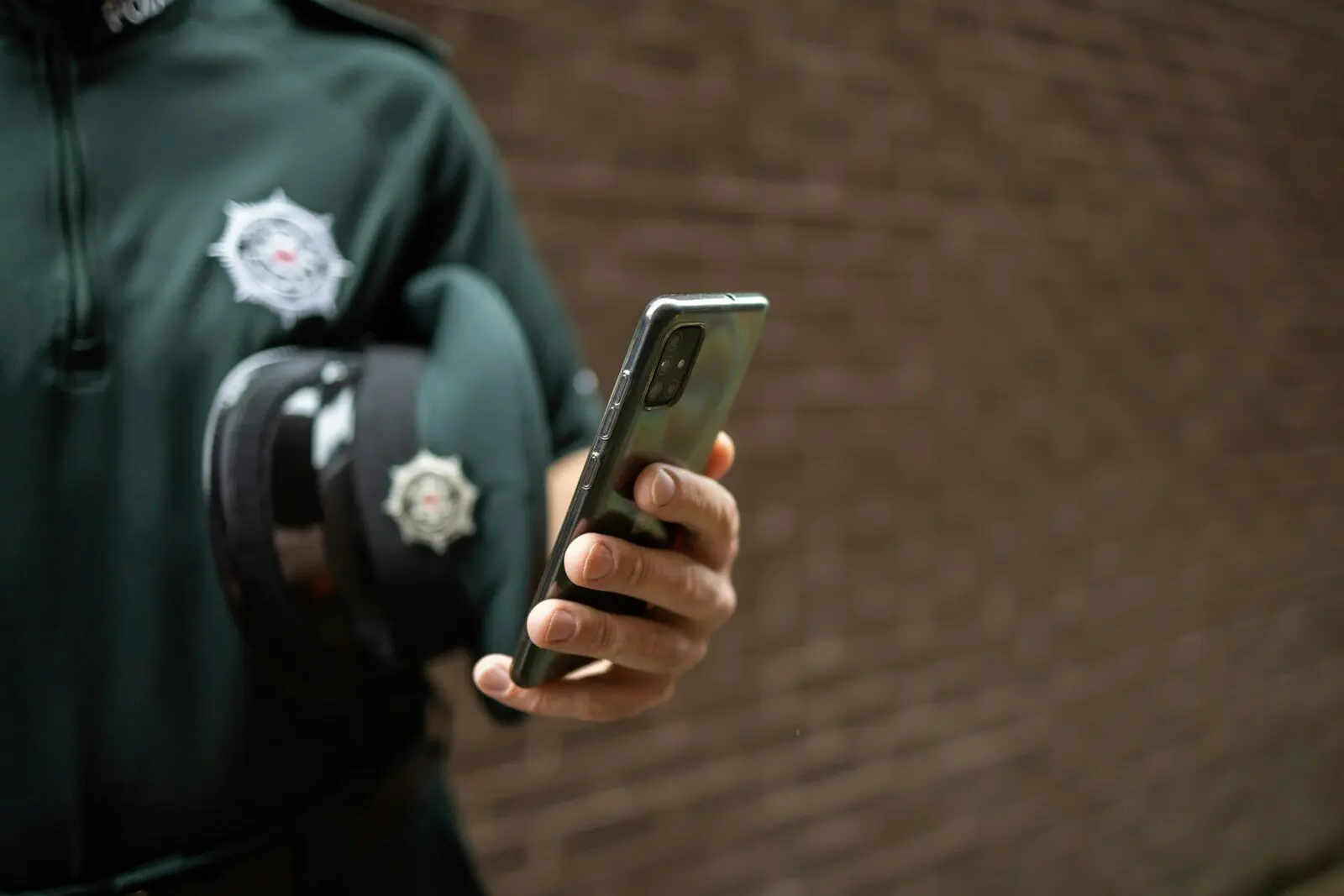
Few personal items contain as much information as a mobile phone. From private conversations and photos to banking apps, emails and location history, our phones often hold years’ worth of personal information. It’s no surprise, then, that one of the most common questions people ask after being stopped, arrested or questioned by police is whether officers are actually allowed to search their phone.
The answer isn’t always straightforward. In Queensland, police do have powers to search and seize property in certain circumstances, but those powers aren’t unlimited. Whether they can lawfully examine the contents of your phone depends on a number of factors, including why the phone was seized, the type of investigation being conducted and the legal authority police are relying on.
Your Phone Can Become an Important Part of a Criminal Investigation
Mobile phones now play a significant role in many criminal investigations. Depending on the allegations, police may be looking for text messages, call records, photographs, internet searches, social media activity or location data that they believe is relevant to their enquiries.
This doesn’t just apply to serious offences. Phones may become part of investigations involving assault, drug offences, fraud, property offences, domestic violence allegations and a range of other criminal matters. Because so much personal information is stored on modern devices, it’s understandable that people are concerned about what police can and can’t access.
A Search Warrant Isn’t the Only Situation Where Police May Have Search Powers
One of the biggest misconceptions is that police always need a search warrant before they can examine a mobile phone. While a warrant may authorise police to seize and search certain property, there are other circumstances where different legislative powers may apply.
Whether police can lawfully search a phone often depends on the specific facts of the investigation. For example, the circumstances surrounding an arrest, the execution of a search warrant or the seizure of evidence may all affect what powers are available. The legal position can differ significantly from one case to the next, which is why relying on general information found online can sometimes create more confusion than clarity.
Can Police Require You to Unlock Your Phone?
This is another question that frequently arises, particularly now that many phones can be unlocked using facial recognition or fingerprints instead of a password.
The answer isn’t a simple yes or no. Queensland law surrounding electronic devices is complex, and the powers available to investigators will depend on the circumstances of the case and the legislation being relied upon. What police can require in one investigation may not necessarily apply in another.
Rather than assuming you have no choice, or alternatively refusing a request based on something you’ve read on social media, it’s important to understand how the law applies to your own situation.
Don’t Assume Every Situation Is the Same
People often compare their experience to a friend’s case or something they’ve seen online. The difficulty is that small differences in the facts can have a significant impact on the legal issues involved.
A phone that is voluntarily handed to police may be treated differently from one seized during the execution of a search warrant. Likewise, the powers available during one type of investigation may not exist in another. Without understanding the legal basis for the search, it’s impossible to accurately compare one situation with another.
Understanding Your Rights Starts With Understanding the Process
If police have seized your phone or requested access to it, it’s natural to have questions about what happens next. The uncertainty surrounding an investigation is often one of the most stressful parts of the process, particularly when personal information is involved.
Understanding why police have your phone, what powers they may be relying on and what the next steps are can provide valuable clarity during what is often an overwhelming experience.
At Strategic Lawyers, our criminal lawyers assist clients throughout Townsville and Queensland with a wide range of criminal law matters, including investigations involving digital evidence. If you’ve been contacted by police or your phone has been seized as part of an investigation, our team can help you understand the process and your legal options.